Introduction
Florida is facing a critical shortage of behavioral health professionals, a crisis that is particularly acute within the field of Applied Behavior Analysis (ABA). The demand for ABA therapists, including both Board Certified Behavior Analysts (BCBAs) and Registered Behavior Technicians (RBTs), far outstrips the available supply, creating significant challenges for families seeking services and for the providers trying to deliver them. This shortage is not just a matter of numbers; it is a fundamental barrier to improving the quality of and access to care for thousands of individuals with autism and other developmental disabilities across the state.
This article provides a deep dive into the ABA therapist demand in Florida, exploring the powerful forces driving this unprecedented need, the systemic challenges that make hiring so difficult, and the high rates of turnover that plague the industry. Understanding these complex dynamics is the first step toward developing effective solutions to this growing crisis.
The Perfect Storm: Drivers of Unprecedented Demand
The intense demand for ABA therapists in Florida is the result of a "perfect storm" of converging factors. At the forefront is the rising prevalence of autism spectrum disorder (ASD). The Centers for Disease Control and Prevention (CDC) now estimates that 1 in 36 children in the United States is diagnosed with autism, a figure that has steadily increased over the past two decades.
This has led to a corresponding surge in the demand for evidence-based interventions like ABA.
Compounding this is Florida's rapid population growth. The state has become a magnet for families from across the country, many of whom are drawn by the warm climate and economic opportunities. This influx of new residents includes a significant number of families with children who need ABA services, further straining an already overburdened system.
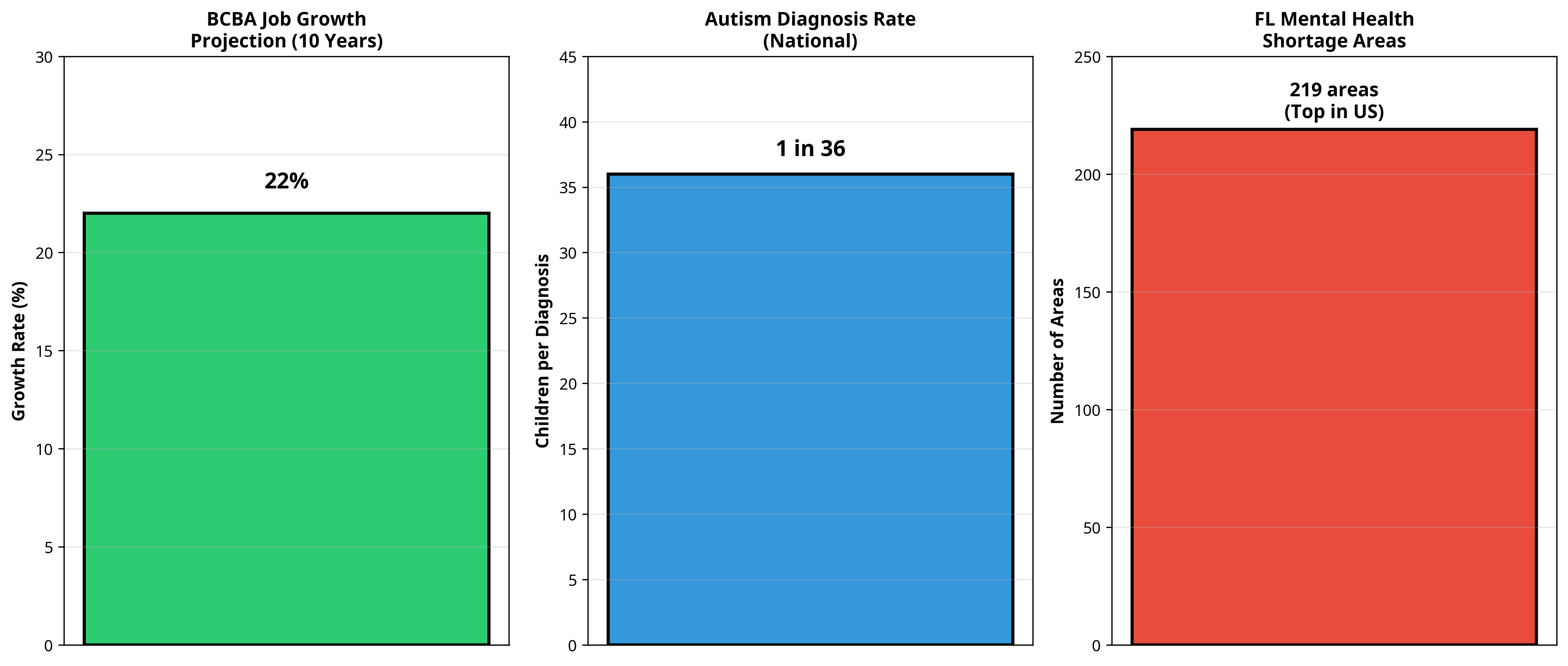
Figure 1: Key metrics illustrating the high demand for ABA services in Florida for 2025. The combination of a high national autism diagnosis rate and a significant number of federally designated mental health shortage areas creates a challenging environment for meeting the state's behavioral health needs.
The Workforce Shortage: A Statewide Crisis
The demand for ABA services is not being met by a sufficient supply of qualified professionals. Florida has 219 federally designated mental health shortage areas, one of the highest numbers in the country.
This shortage is not limited to ABA; the state is facing a deficit of over 3,500 licensed clinical social workers and over 1,000 licensed marriage and family therapists.
Within the ABA field, the shortage is just as severe. The demand for BCBAs is projected to grow by 22% over the next decade, a rate that is much faster than the average for all occupations.
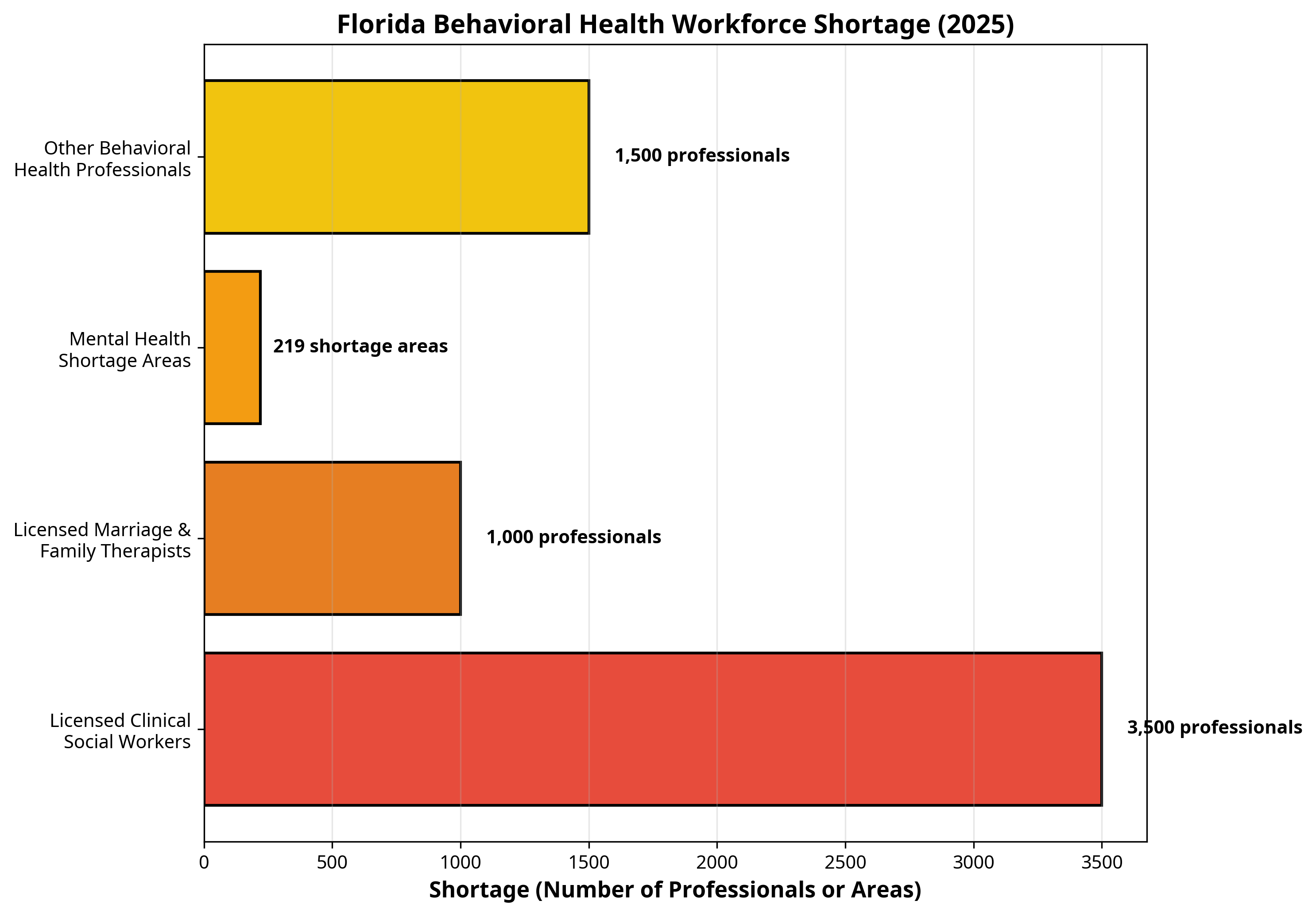
Figure 2: An overview of the behavioral health workforce shortage in Florida for 2025. The significant deficits across multiple professions highlight the systemic nature of the state's healthcare workforce challenges.
This shortage has a direct impact on families seeking services. Many face long waiting lists, limited provider options, and geographic barriers to care, particularly in rural and underserved areas. For ABA providers, the shortage means a constant struggle to recruit and retain qualified staff, which can limit their ability to serve new clients and can lead to burnout among existing staff.
The Revolving Door: Why Turnover is So High
The ABA industry, both nationally and in Florida, is plagued by alarmingly high turnover rates, particularly among RBTs. National estimates for RBT turnover range from 77% to 103% annually, and the situation in Florida is likely very similar.
This "revolving door" of staff has a profound and negative impact on the quality and consistency of care. It disrupts the therapeutic relationship between the RBT and the client, creates instability for families, and places a significant financial and administrative burden on providers.
Several factors contribute to this high turnover rate:
- Low Compensation: As discussed in our companion articles on BCBA and RBT salaries, the pay for ABA professionals in Florida can be below the national average, particularly for RBTs. This makes it difficult for providers to compete for talent and can lead to RBTs leaving the field for better-paying opportunities.
- Burnout: The work of an RBT is emotionally and physically demanding. High caseloads, challenging behaviors, and a lack of adequate support can lead to high levels of stress and burnout.
- Limited Career Growth: For many RBTs, the career path is not always clear. A lack of opportunities for advancement can lead to a sense of stagnation and a desire to seek employment elsewhere.
- Inadequate Supervision and Support: The quality of supervision and support that an RBT receives is a critical factor in their job satisfaction and longevity. A lack of consistent, high-quality supervision can leave RBTs feeling unsupported and ill-equipped to handle the challenges of their role.
The Hiring Challenge: A Vicious Cycle
The combination of high demand, a limited supply of qualified professionals, and high turnover creates a vicious cycle for ABA providers in Florida. They are in a constant state of recruitment, spending significant time and resources to find and hire new staff, only to see many of them leave within a year. This makes it difficult to build a stable and experienced workforce, which is essential for providing high-quality ABA services.
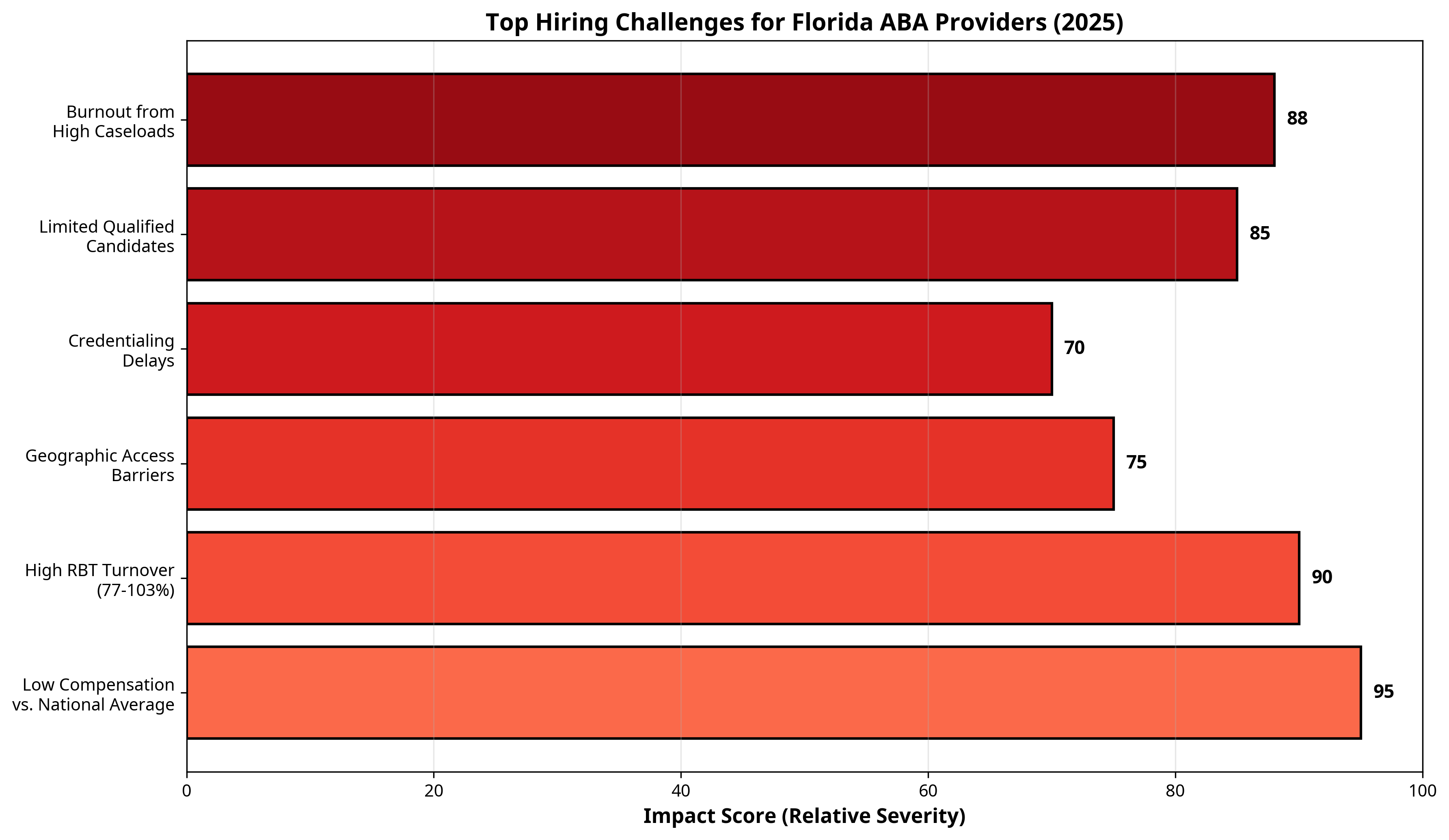
Figure 3: A summary of the top hiring challenges faced by ABA providers in Florida for 2025. The combination of low compensation, high turnover, and a limited talent pool creates a difficult environment for recruitment and retention.
Conclusion: A Call to Action
The ABA therapist shortage in Florida is a complex and multifaceted crisis that requires a concerted effort from all stakeholders. For ABA providers, it means a renewed focus on creating a supportive and rewarding work environment that values and invests in its staff. For policymakers, it means addressing the systemic issues that contribute to the workforce shortage, such as low reimbursement rates and barriers to licensure. For the ABA community as a whole, it means a commitment to improving the quality of care by investing in the professional development and well-being of the individuals who are on the front lines of service delivery every day. Only by working together can we hope to build a sustainable and thriving ABA workforce that can meet the growing needs of the Sunshine State.
References
[3] Connect-N-Care ABA. (2025). Exploring What is the Job Outlook for a BCBA in 2025.
[4] CentralReach. (2023). The Surprising Truth About ABA Turnover.