Introduction: The Value of a BCBA Certification
A Board Certified Behavior Analyst (BCBA) certification is the gold standard in the field of Applied Behavior Analysis (ABA). It represents a high level of expertise, a commitment to ethical practice, and the ability to lead and supervise clinical teams. For those who have invested the time and effort to achieve this advanced credential, a common and important question is: How much does a BCBA make per year? Understanding the earning potential of a BCBA is a key factor in career planning and professional development.
This comprehensive guide will provide a detailed look at BCBA salaries in 2026, exploring the national average, how compensation varies by state and experience level, and the key factors that can influence your annual income as a BCBA.
The National Average: What a BCBA Makes Per Year
According to a wide range of salary data from industry reports and job boards, the national average annual salary for a Board Certified Behavior Analyst in the United States typically falls between $75,000 and $95,000. However, this is a broad range, and the actual answer to "how much does a BCBA make per year?" can vary significantly.
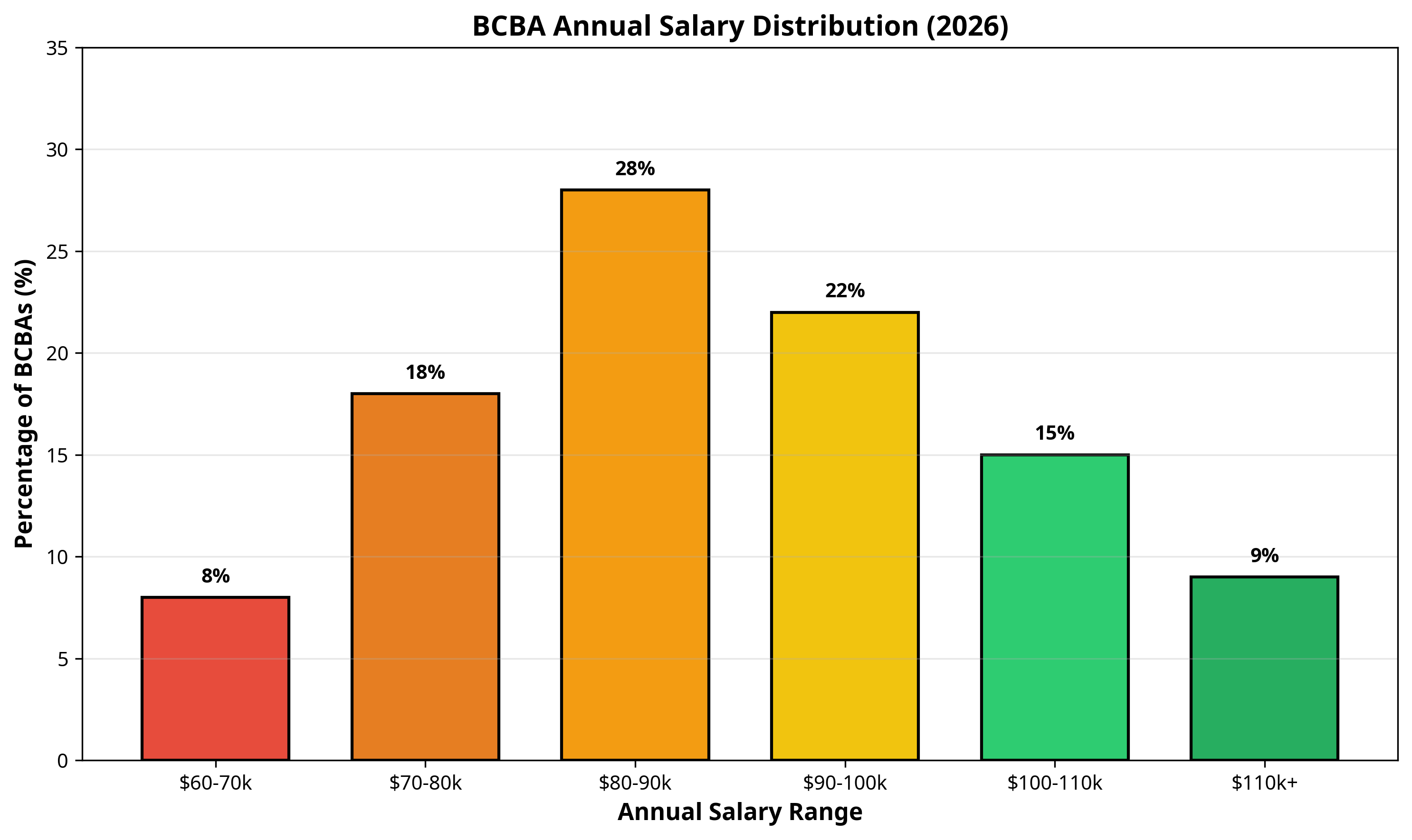
Figure 1: A distribution of BCBA annual salaries for 2026. While the majority of BCBAs earn in the $80-90k range, there is a wide spectrum of earning potential.
It is important to note that this average includes BCBAs at all levels of experience, from newly certified professionals to seasoned clinical directors. As you gain experience and take on more responsibility, your earning potential will increase significantly.
Geographic Variations: How Location Impacts BCBA Salaries
One of the most significant factors influencing how much a BCBA makes per year is where they work. States with a higher cost of living, a greater demand for ABA services, and more robust insurance coverage tend to offer higher salaries.
Top-Paying States for BCBAs
• California: With its high cost of living and massive demand for ABA services, California is consistently one of the highest-paying states for BCBAs, with average salaries often exceeding $100,000 per year.
• Massachusetts: A strong healthcare and education sector, coupled with excellent insurance coverage, makes Massachusetts a lucrative market for BCBAs.
• New York: Similar to California, the high cost of living and high demand in the New York metropolitan area drive up BCBA salaries.
• Texas: A rapidly growing population and expanding healthcare industry have made Texas an increasingly attractive and competitive market for BCBAs.
Factors to Consider
When evaluating a job offer in a new state, it is crucial to consider the cost of living. A higher salary in a city with a high cost of living may not necessarily translate to a higher quality of life. Use a cost of living calculator to compare your potential salary to the local cost of housing, transportation, and other expenses.
The Impact of Experience and Specialization
Beyond geography, your experience level and area of specialization will play a major role in determining how much you make per year as a BCBA.
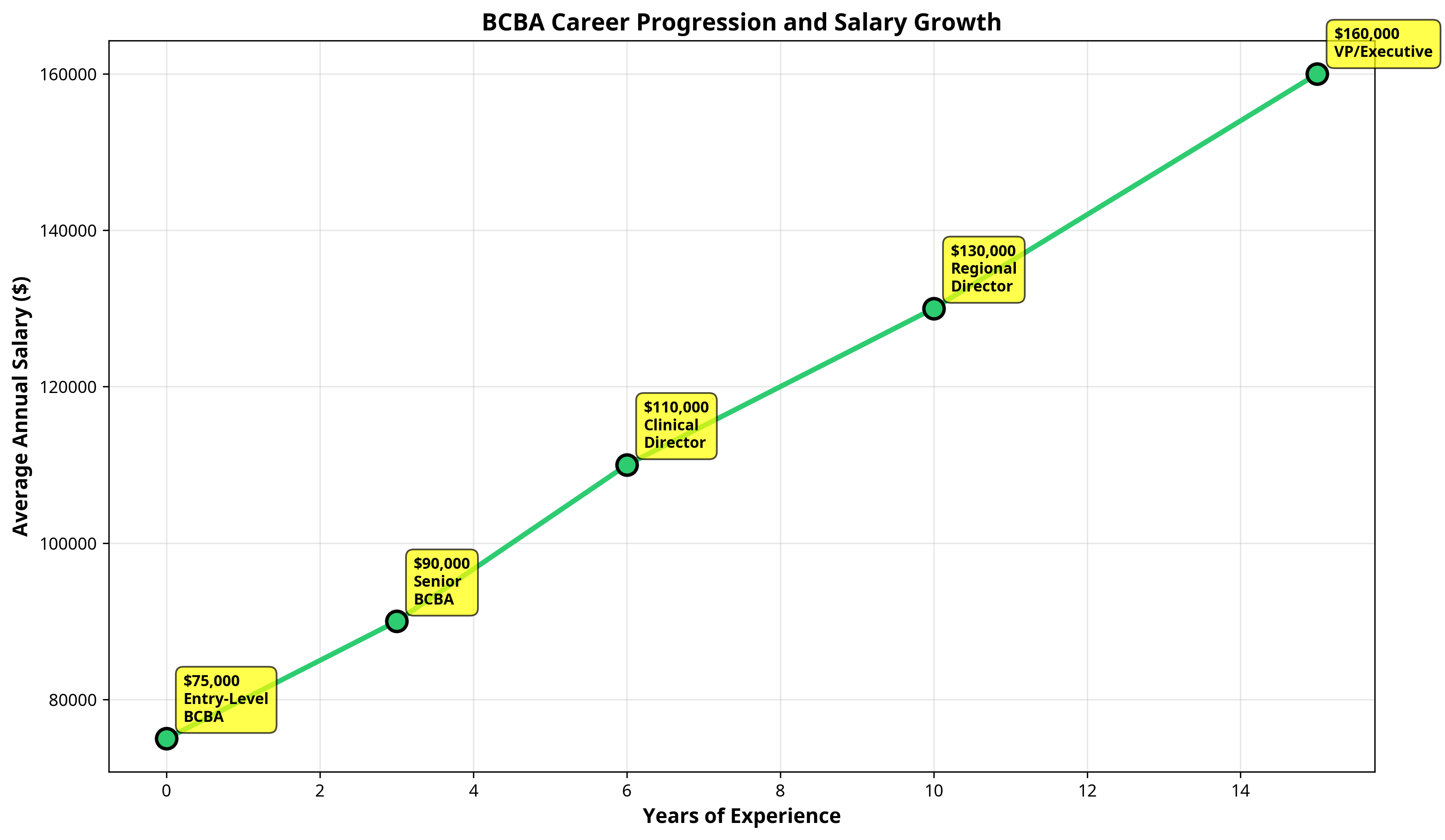
Figure 2: The strong correlation between years of experience, career advancement, and salary growth for a BCBA.
As illustrated in the chart above, a BCBA’s salary can grow substantially over the course of their career:
• Entry-Level BCBA (0-2 years): $70,000 - $80,000
• Mid-Career BCBA (3-5 years): $80,000 - $95,000
• Senior BCBA/Clinical Supervisor (5-10 years): $95,000 - $115,000
• Clinical Director/Executive (10+ years): $115,000+
The Value of a Doctorate (BCBA-D)
For those who pursue a doctoral degree and obtain the BCBA-D credential, the earning potential is even higher. BCBA-Ds are qualified for positions in academia, research, and executive leadership, which often come with salaries well above the industry average.
Specializations That Boost Your Salary
Certain specializations within the ABA field can also lead to a higher salary:
• Organizational Behavior Management (OBM): Applying ABA principles in the corporate world can be highly lucrative.
• Severe Problem Behavior: Expertise in treating severe and complex behaviors is in high demand.
• Autism Spectrum Disorder (ASD) Diagnostics: BCBAs who are also qualified to diagnose ASD can command a higher salary.
Conclusion: A Career with High Earning Potential
So, how much does a BCBA make per year? The answer is that it depends on a variety of factors, but the overall outlook is extremely positive. A BCBA certification is a valuable credential that opens the door to a wide range of high-paying career opportunities. By gaining experience, pursuing advanced education and specialization, and strategically choosing your location, you can build a financially rewarding career while making a profound impact on the lives of others. The demand for your expertise is strong, and the potential for growth is significant.